Refugee Week 2026: What Courage Looks Like - Anna's Story in Full
How Anna built a purpose-led catering business in London, and what Refugee Week 2026 means in light of new government plans for community sponsorship.
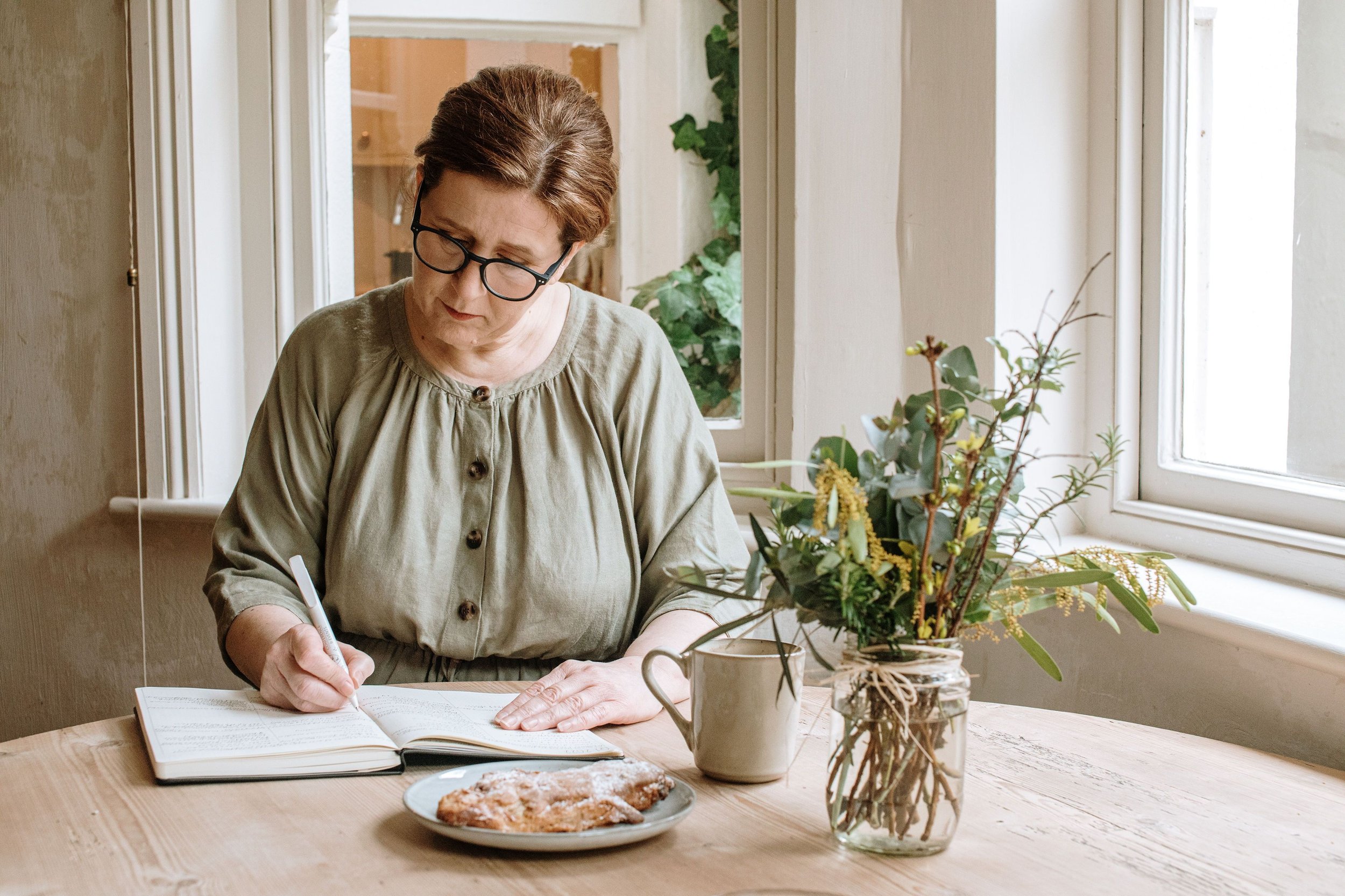
Refugee Week ended a little over a week ago. This year’s theme was courage - a word that comes from the Latin cor, meaning heart. The organisers were clear that courage isn’t always loud. Sometimes it’s a simple act: opening your door to a neighbour, trying new food, having a difficult conversation, telling your story.
That weekend, I attended a screening of A World Not Ours, Mahdi Fleifel’s film about the Palestinian refugee camp where he was born - a portrait of a community subsisting on memory and dreams of a homeland most of its young people have never seen. I came away thinking about identity. About what people carry with them when they leave everything else behind.
And I found myself thinking about Anna.
Anna arrived in London in March 2022 through the Homes for Ukraine scheme, having left behind a successful catering business and a life she fully expected to return to. I worked with her, pro bono, for a year - helping her build something from nothing in a country she hadn’t planned to live in, in a language that wasn’t her first.
What started as twelve people around a borrowed kitchen table became, within two years, a team-led catering business projecting more than £420,000 in annual revenue - built on food from the Carpathian mountains, a giving model that funds a meal for someone in need with every booking, and a culture that gave other displaced Ukrainian women both income and belonging.
I’ve written about Anna’s story in two parts on this site. Part 1 covers the first year - how the business began, what made it different from the founders I usually work with, and why the pop-up model was exactly right for someone who didn’t know if she was staying. Part 2 picks up the story two years in - finding the right spaces to grow into, building a team of displaced Ukrainian women who became something more than a workforce, and the revenue picture by the end of Year 2: more than £420,000 projected for Year 3.
This week, the Home Secretary confirmed plans for a new community sponsorship scheme, due to launch this autumn and modelled directly on Homes for Ukraine, ahead of the wider Immigration and Asylum Bill. I’m not going to wade into the politics of it. But I do know what the original scheme actually created, because I watched it happen, person by person. It didn’t just provide accommodation. It built community - the kind that doesn’t disappear when the headlines move on.
Anna’s story is part of that. It’s also, in its own way, a story about hope-centred strategy: not a five-year plan or a growth target, but a woman rebuilding with courage, one pop-up supper at a time.
If you’d like the fuller version of these reflections as they unfolded, you’ll find them in my weekly LinkedIn newsletter, The Purpose-Led Leader. I publish every Wednesday, and it’s where I think out loud about purpose, strategy, and what it actually takes to build something that matters.
Denyse Whillier is the founder of The Purpose Company, working with purpose-led founders and leaders to build the future they want. Read more about her experience and approach here.
References
The Rt Hon Shabana Mahmood MP: My reforms will save the asylum system for a generation, Home Office, 30 June 2026